|
Cyprus,a Mediterranean island divided between the Republic of Cyprus and the Turkish Cypriot area. Its capital and largest city is Nicosia. We have visited in April 2025.
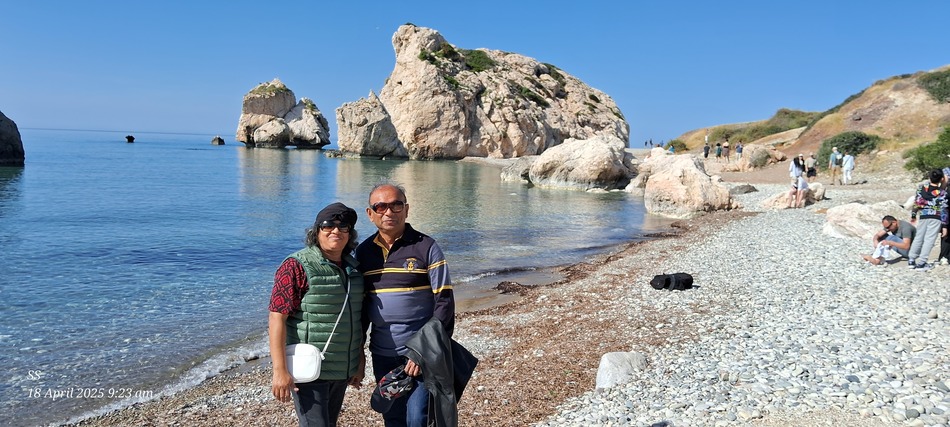
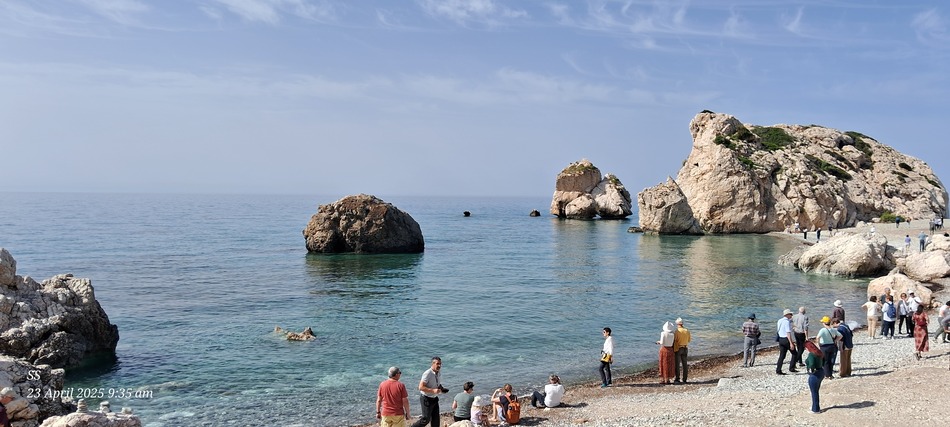
The birthplace of aphrodite rock, According to the legend, the Ancient Greek Goddess of Love and Beauty – Aphrodite – was born of the sea foam here.
Aphrodite’s mythical birthplace ‘Petra tou Romiou’ is an interesting geological formation of huge rocks along one of the most beautiful coastlines on the island, located on the southwest coast of the Paphos district. The name of Petra tou Romiou (‘rock of the Greek’ in Greek)
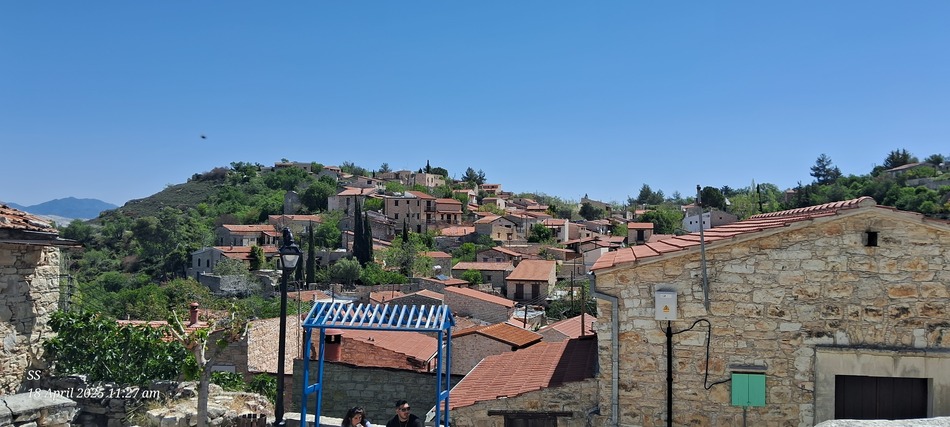
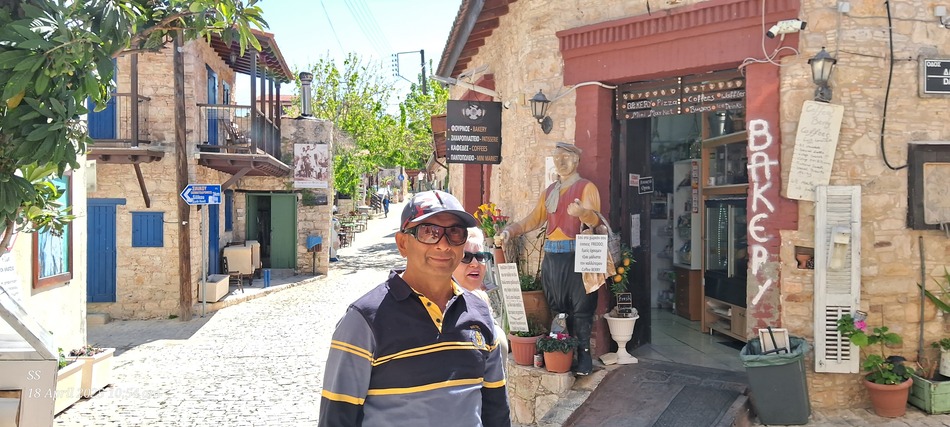
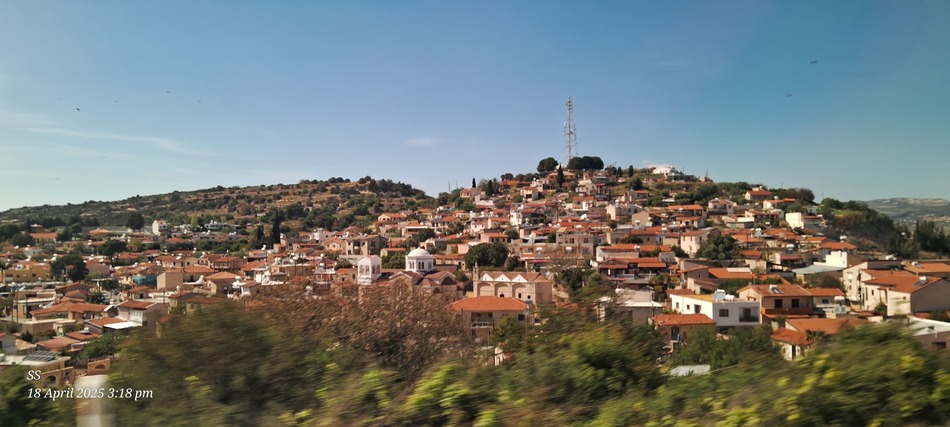
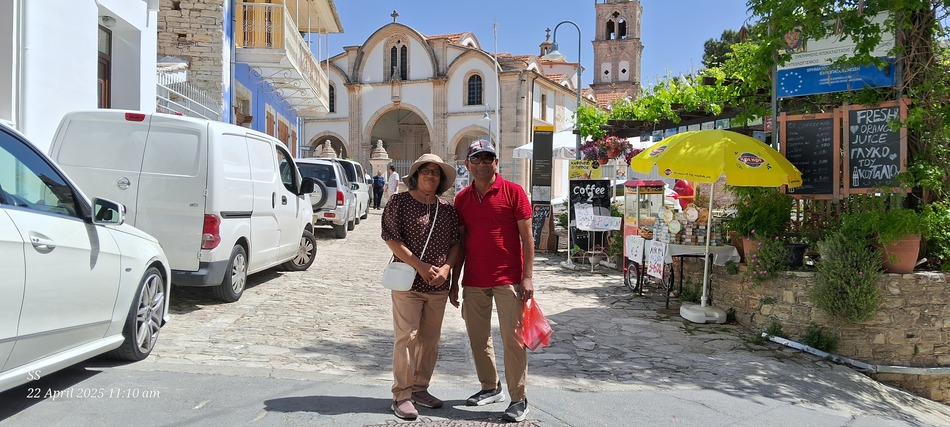
The scenic village of Lofou is in the district of the wine villages, between Limassol and Paphos. It is built amphitheatrically on the hills (Hill means Lofos in Greek, hence the name) and at an altitude of about 800 metres. It is believed that the village was inhabited ever since the Bronze age. Lofou is listed by UNESCO as an architecturally important village.
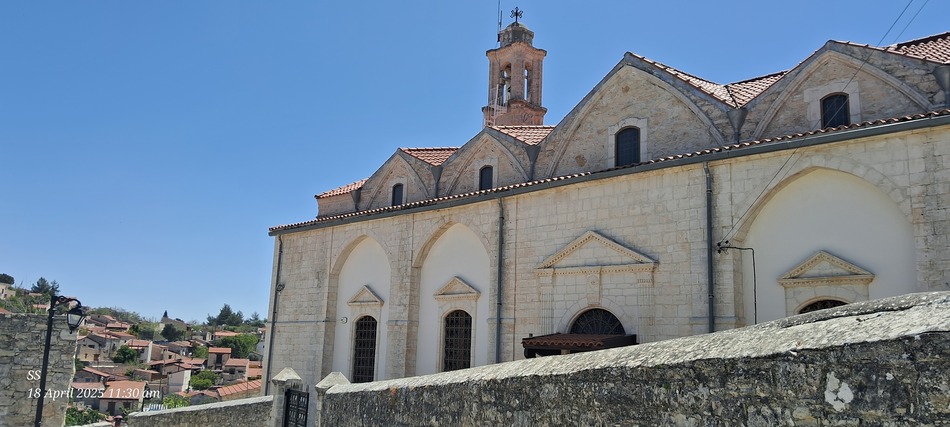
The main church of the village Lofou is Panagia Chrysolofitissa was built in 1872 and is located on a hill west of Lofou.
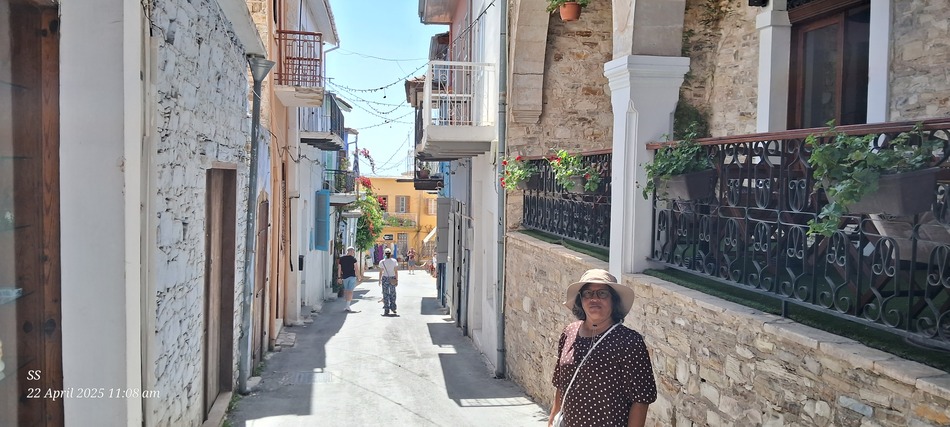
The beautiful narrow cobblestone streets. The houses here are traditional homes with wooden balconies which have been restored to their former glory.
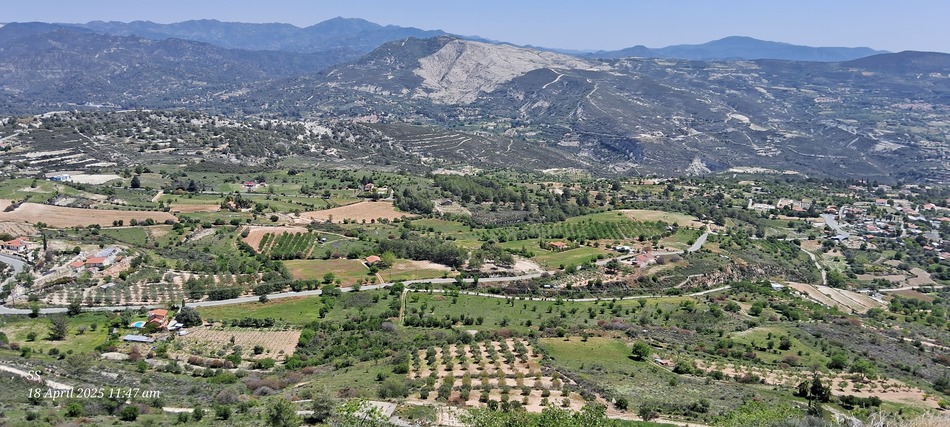
The Troodos mountains is the largest mountain range, located in the middle of Cyprus. Its highest peak is Mount Olympos at 1952 meters high. That’s the highest point of the island.
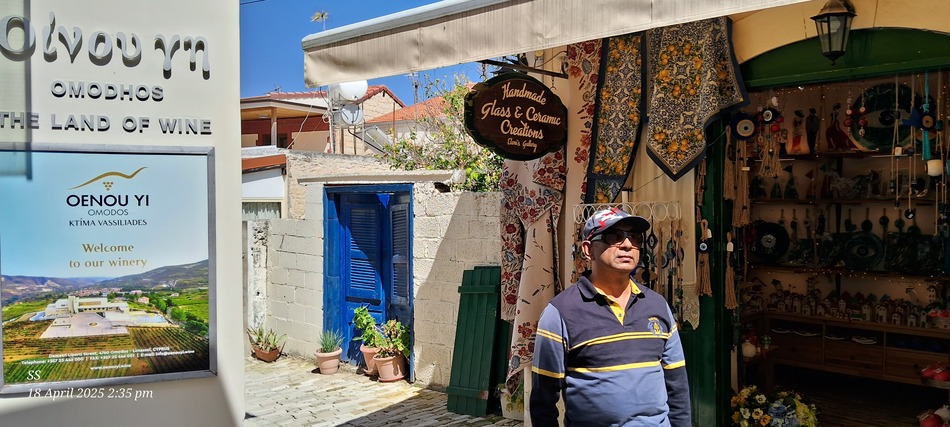
Omodos is a village near Troodos mountains located about 42km north-west of the city of Limassol.
The village omodos is one of the most picturesque wine villages in Cyprus.
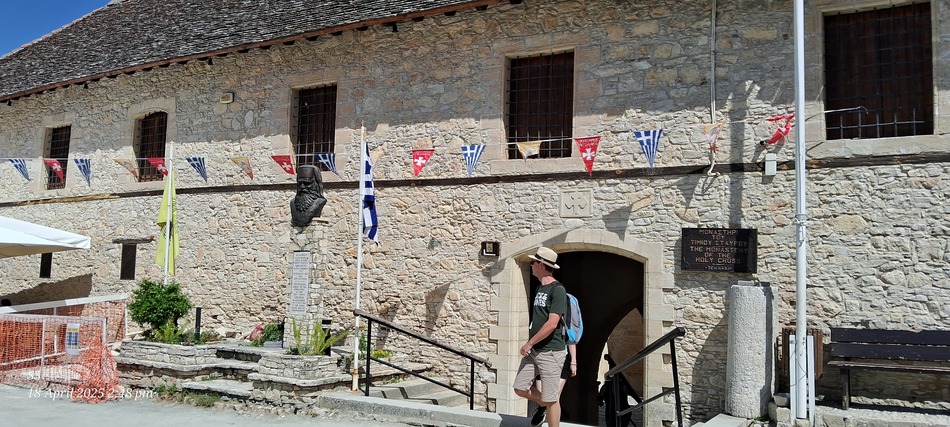
Holy Cross monastery is the oldest monastery in Cyprus.
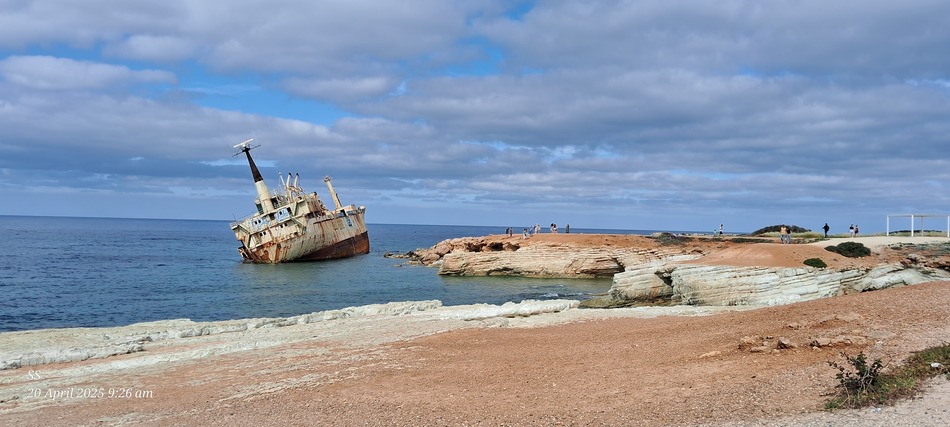
Edro III is located just North West of Paphos, along the coast near Peyia Village. As it is in between Coral Bay and the Sea Caves, many visitors walk from the beautiful bay past the shipwreck on route to the sea caves
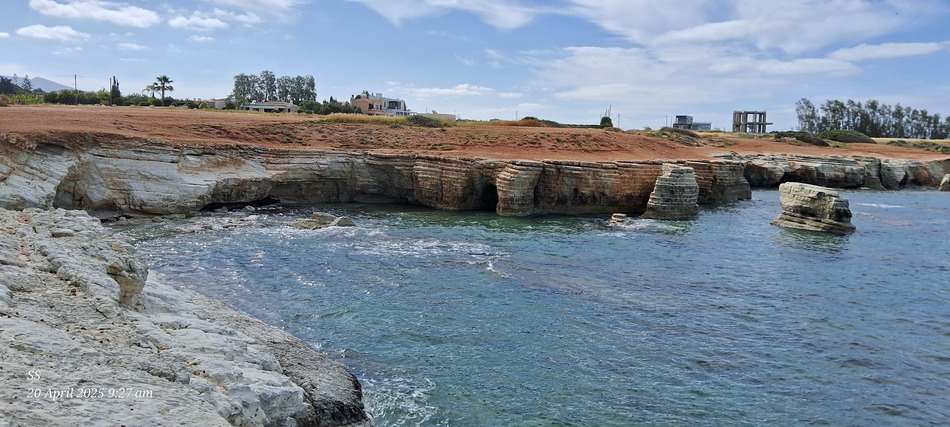
The coastline near Peyia village
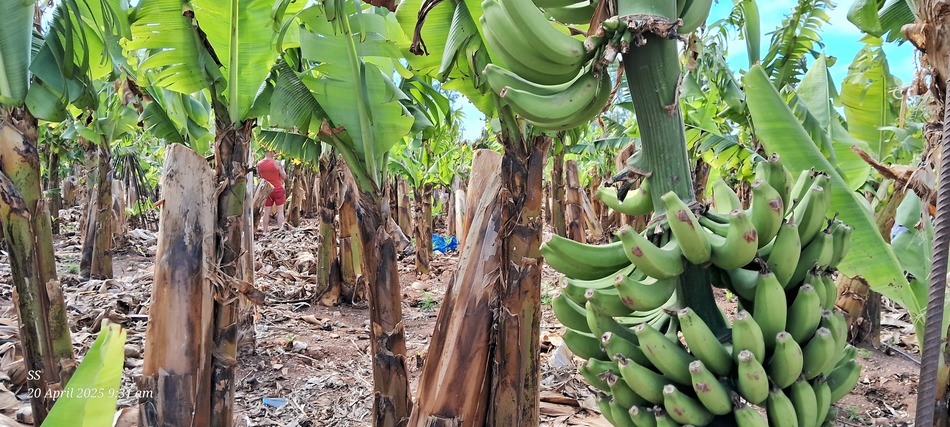
The banana plantation
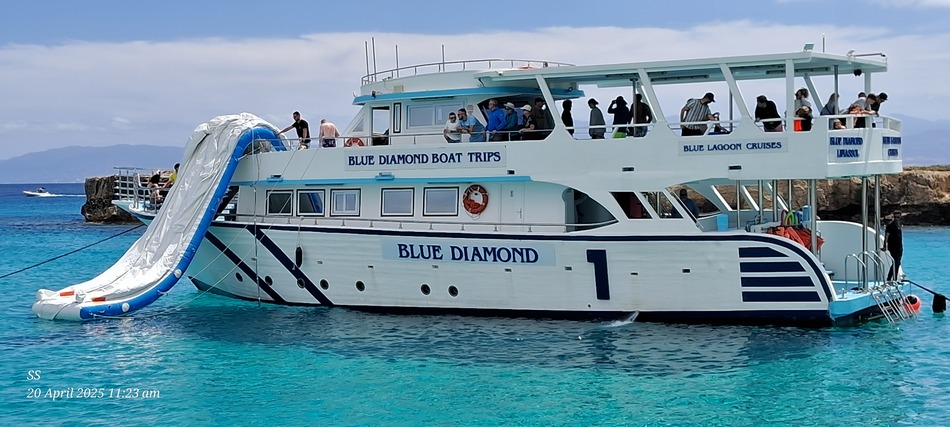
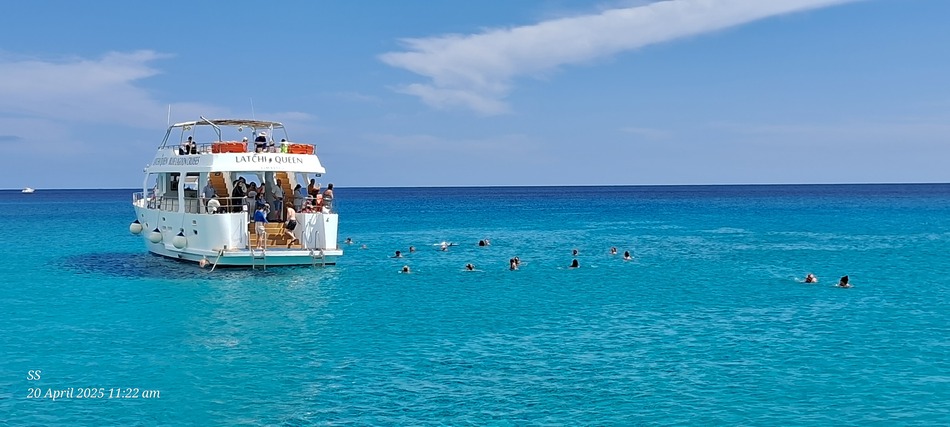
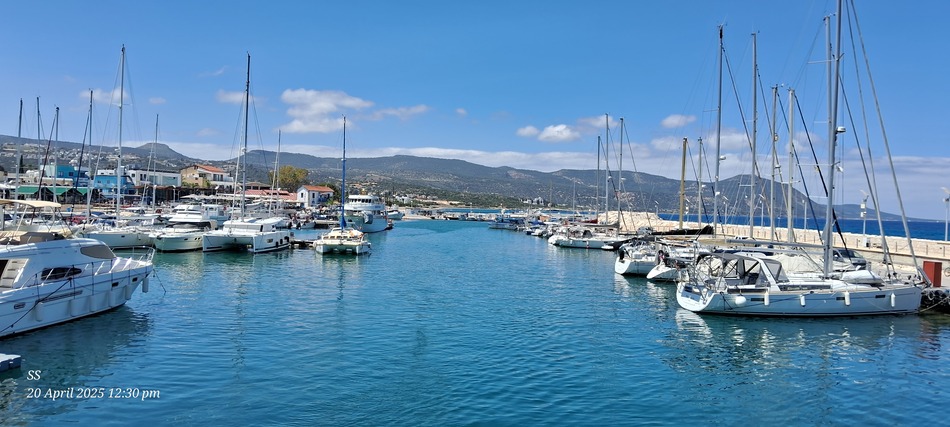
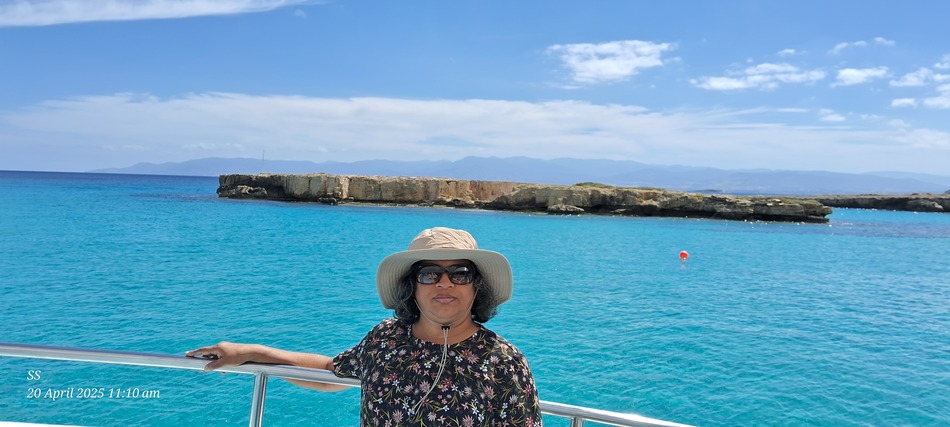
The scenic boat trip to the blue lagoon, cruising past the protected coastline of Akamas national park
The scenic boat trip to the blue lagoon.
The scenic boat trip to the blue lagoon.
The blue lagoon.
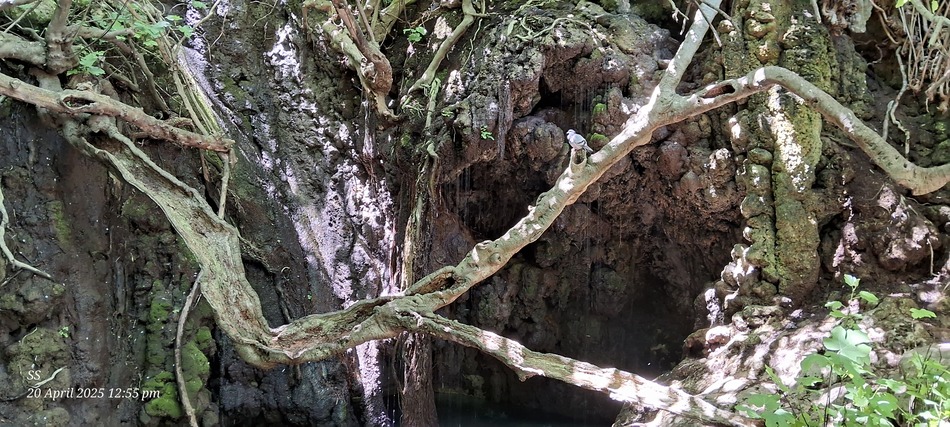
Baths of Aphrodite, Aphrodite, the Goddess of beauty and love used to bathe in the pond of this natural grotto
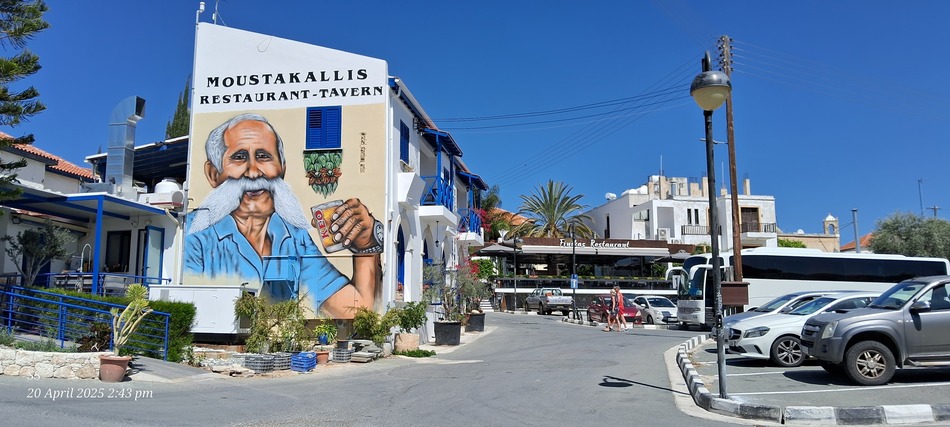
Mural made for "Moustakallis" tavern at Polis Chrysochous.
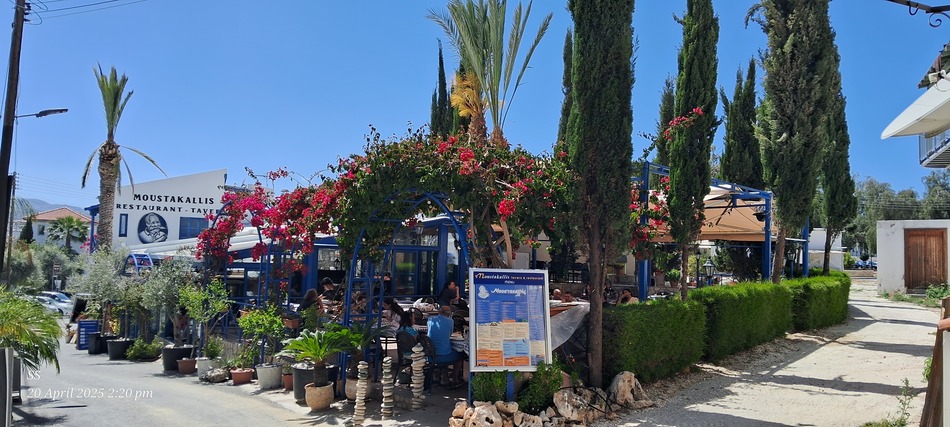
Moustakallis Tavern is a authentic family-run restaurant in the little town of Polis crysochous (golden bay)
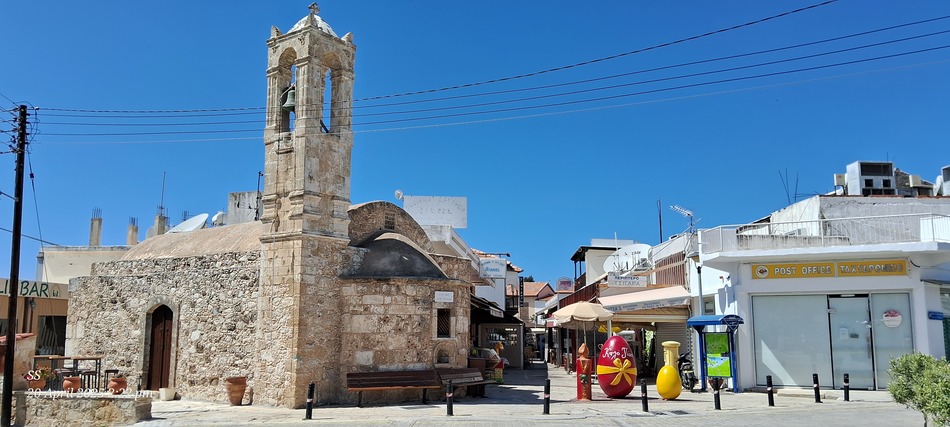
The central square of town Polis crysochous.
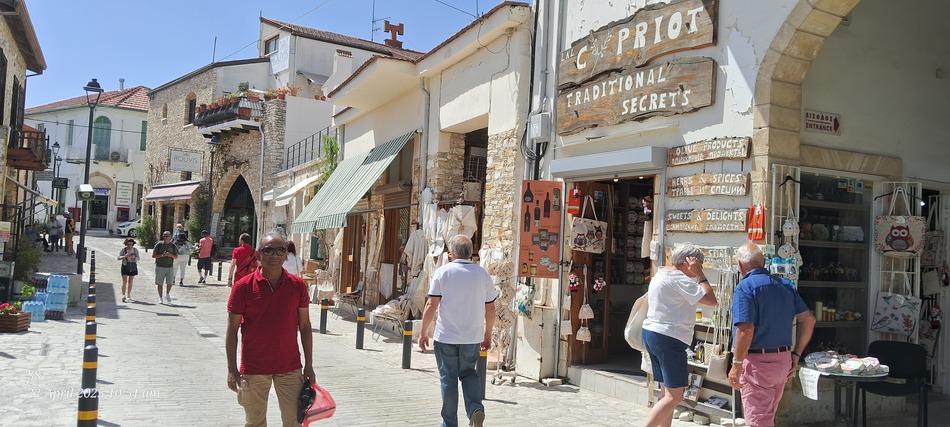
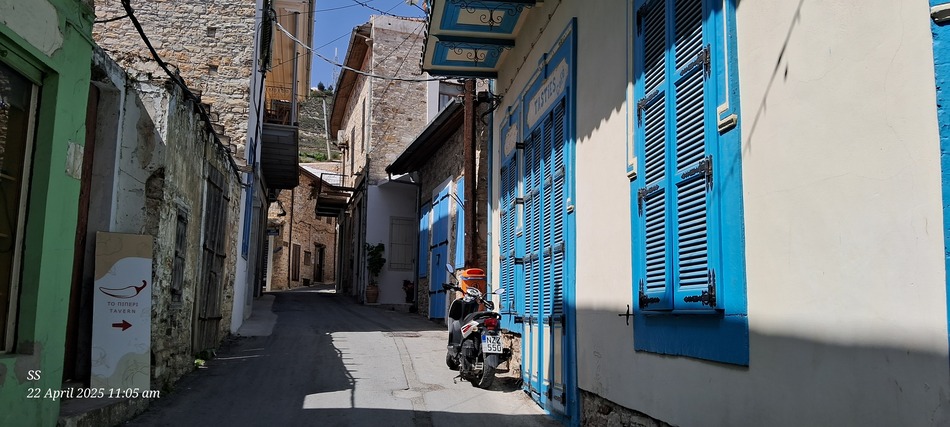
Lefkara is a beautiful and traditional Cypriot village in the Troodos Mountains. Lefkara is most famous for its silver and lace making skills which have been practised in the village since Venetian times.
Streets of the Lefkara village.
Streets of the Lefkara village.
The church of Holy Cross in the village of Lefkara and dates back to the 14th century
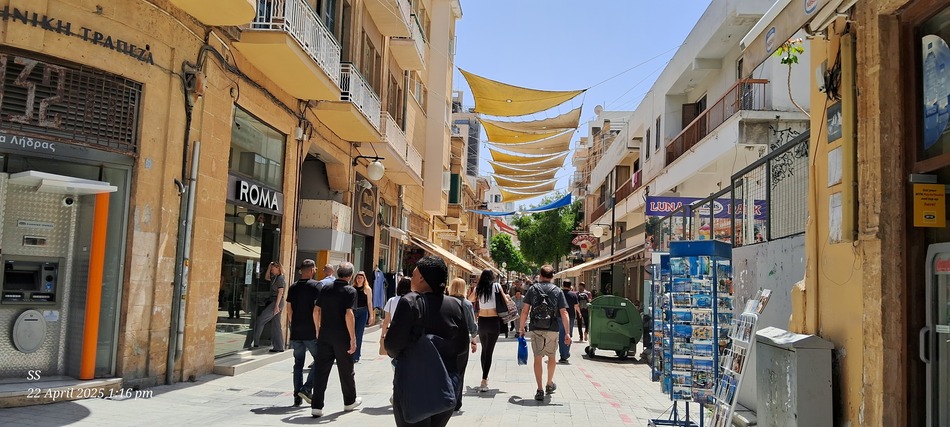
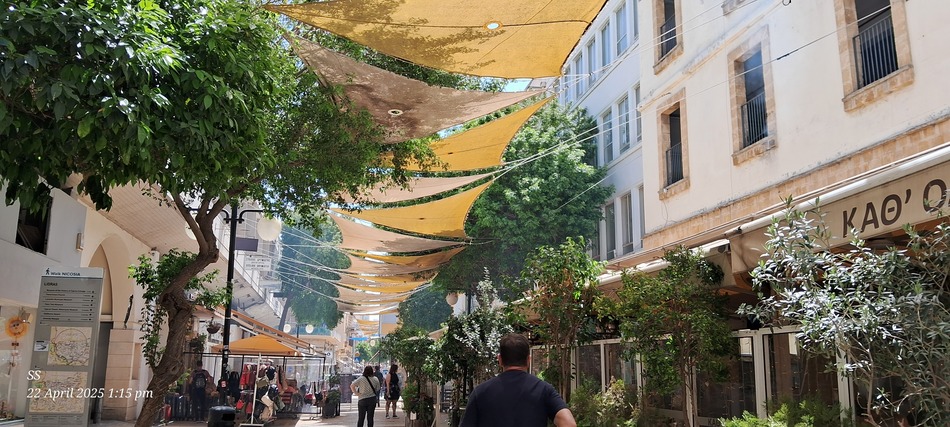
Ledra Street is a major shopping thoroughfare in central Nicosia, Cyprus, which links North Nicosia, the part of the city under the control of the de facto Northern Cyprus, and south Nicosia
Ledra Street is a symbol of Nicosia’s division and ongoing reunification efforts.The pedestrian crossing, opened in 2008, allows visitors to move freely between the north and south
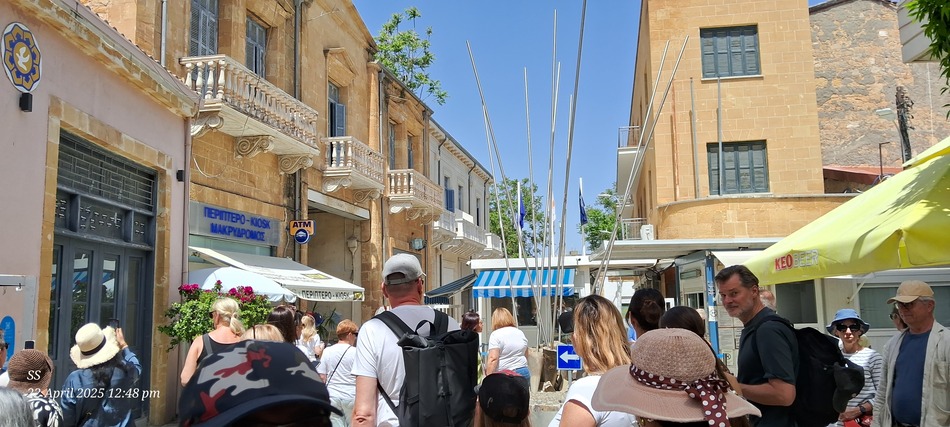
Travellers can cross the border between North and South Nicosia via several pedestrian checkpoints. The most popular crossing is at Ledra Street, the city’s main shopping thoroughfare This is the nicosia borders entry
Nicosia is divided by the Green Line, a demarcation line established in 1963 and subsequently expanded into a UN Buffer Zone after the 1974 conflict. The Buffer Zone, patrolled by the United Nations Peacekeeping Force in Cyprus, separates the internationally recognized Republic of Cyprus in the south from the self-declared Turkish Republic of Northern Cyprus.
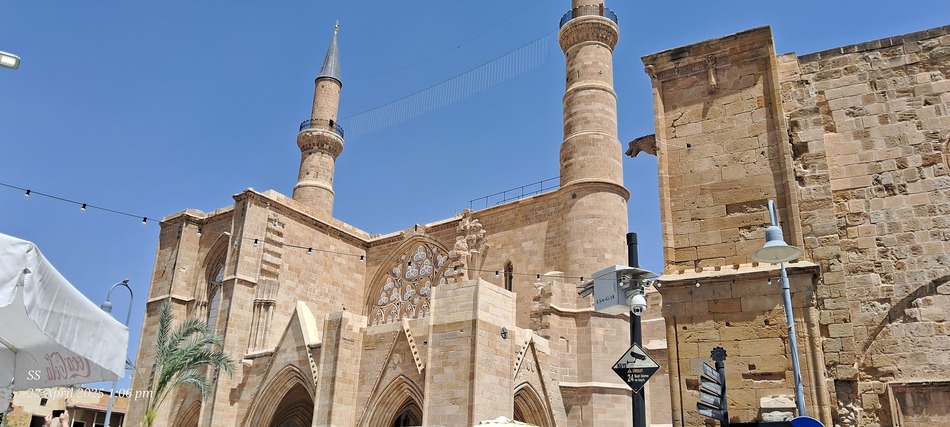
Selimiye Mosque,This holy place for Muslims was built in the thirteenth century and initially functioned as the Gothic St. Sophia Cathedral (Hagia Sophia). However, in 1571 the church has undergone a transformation and has been converted into a mosque by the Ottomans.
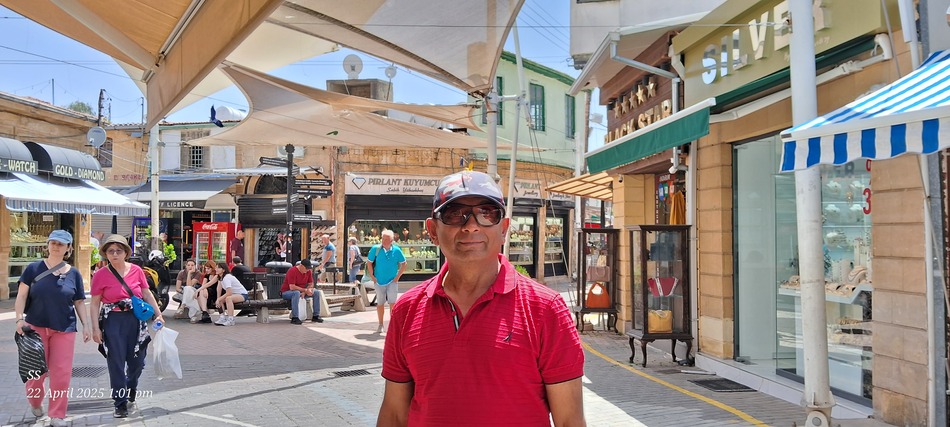
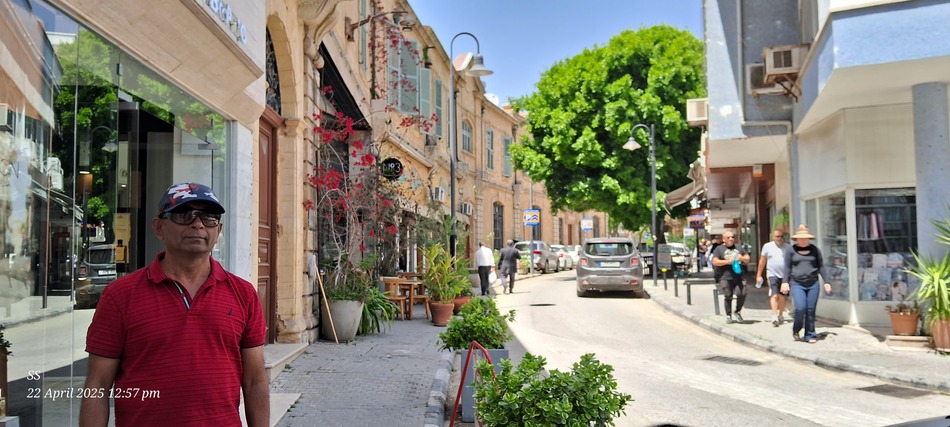
Nicosia, the Turkish (northern) side. Walking around a lovable, narrow streets of the old town.
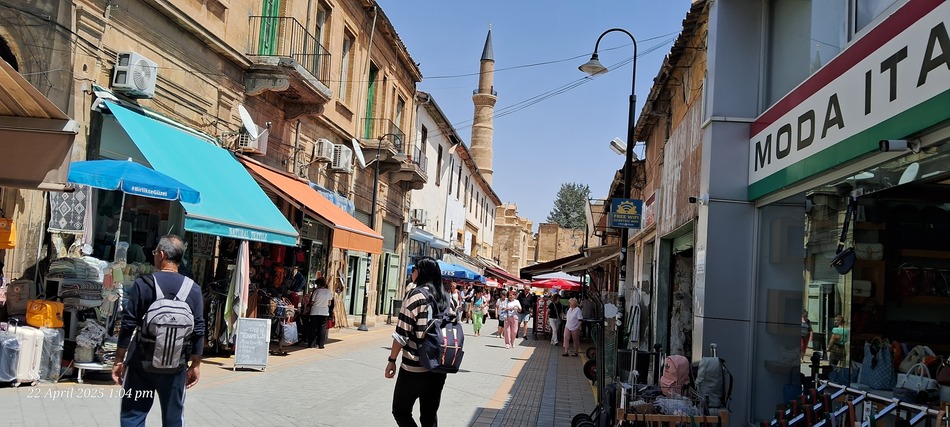
The old town, the turkish side of nicosia, admiring the buildings and pedestrian streets full of climatic tavernas, cafes and shops
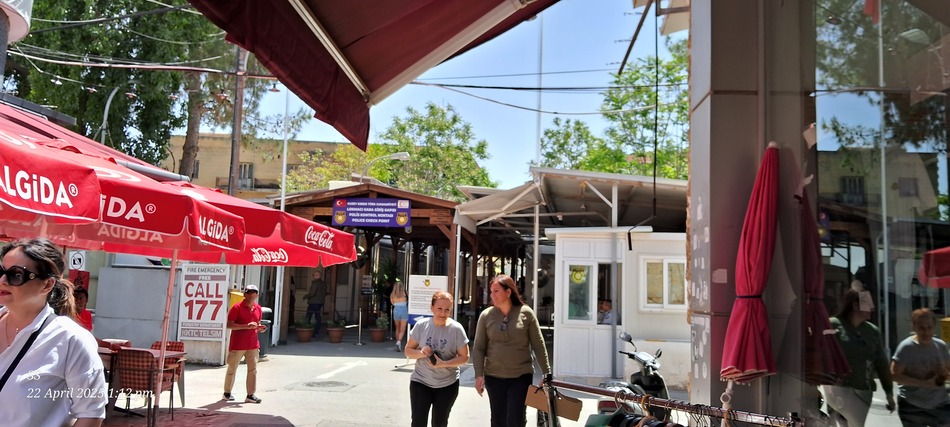
Walking through the Green line. checking out of borders from the Turkish side of cyprus.
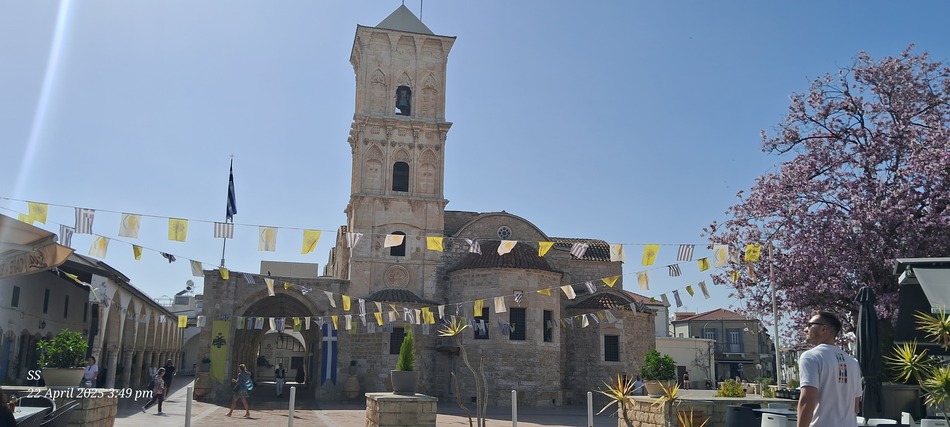
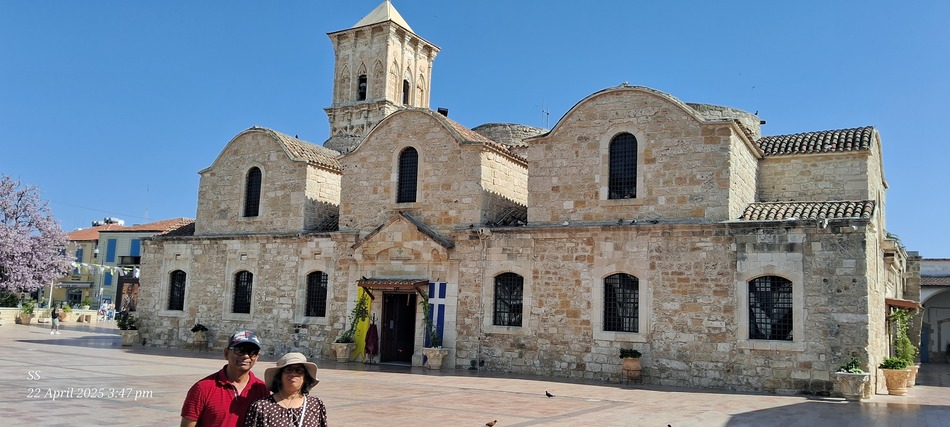
The Church of Saint Lazarus in Larnaca.
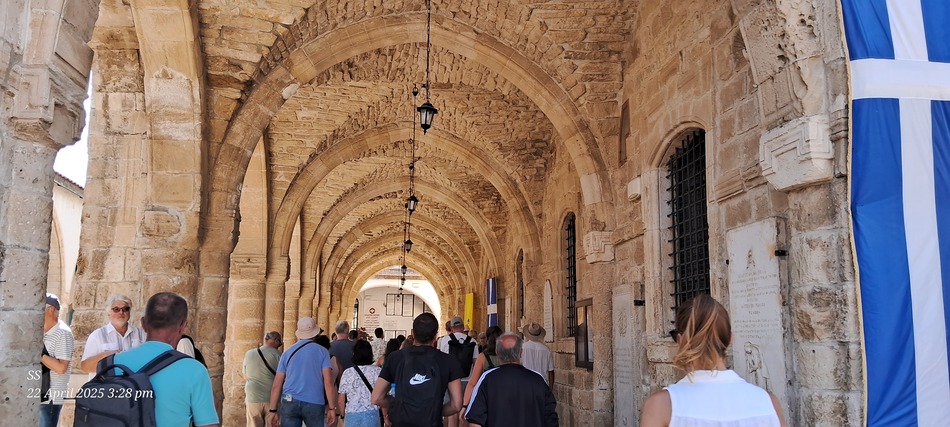
The church of St. Lazarus in Larnaka was built by the Byzantine Emperor Leo VI in the late 9th century,The magnificent stone church of Agios Lazaros is located in the homonymous square in the center of the city.
It is one of the most remarkable examples of Byzantine architecture in Cyprus.The Church is located just above the tomb of St. Lazarus.
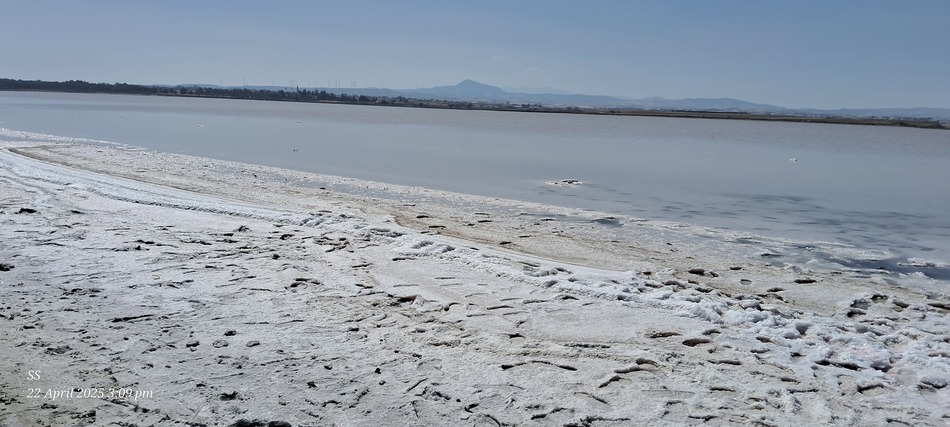
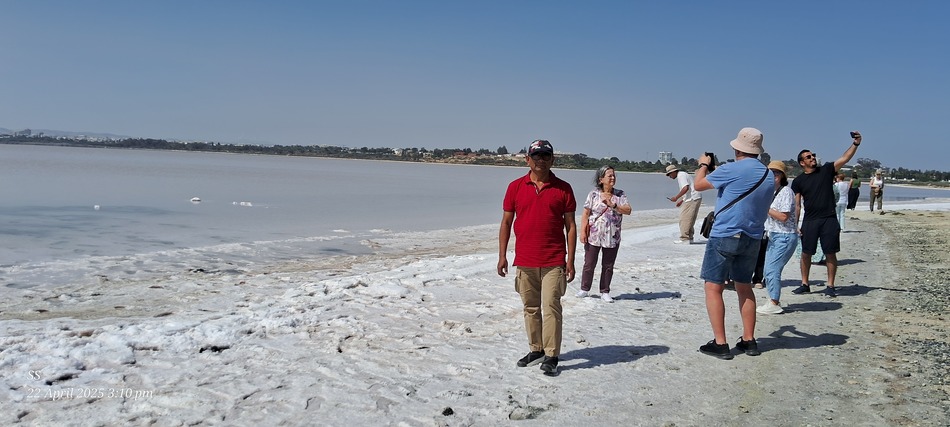
The Larnaca Salt Lake is a network of four salt lakes. The largest lake is Lake Aliki, then Lake Orfani, Soros and Spiro. They form the second largest salt lake in Cyprus after Limassol.
Larnaka Salt Lake is a unique area of natural beauty and an important habitat.During the winter months when it fills up with rain water and welcomes thousands of stunning migratory birds including flamingos, swans and wild ducks which find refuge in winter on their migratory journeys;
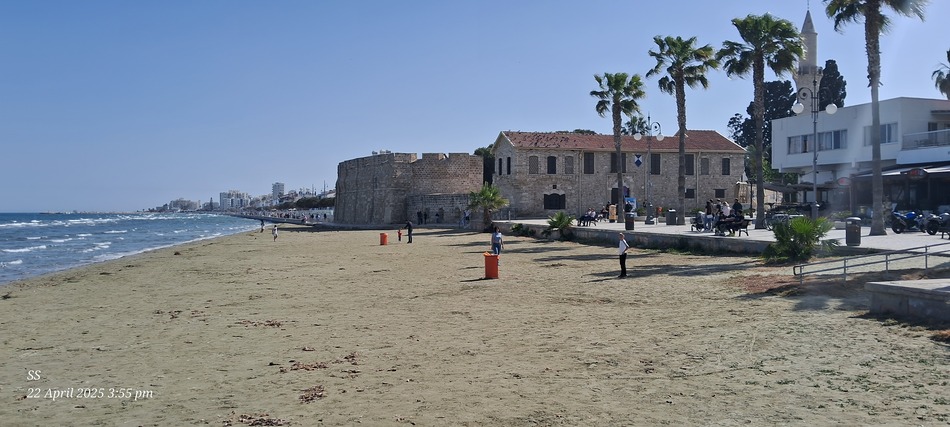
Larnaca Castle is located on the southern coast of Cyprus. It was constructed to defend the southern coast of Cyprus and the harbour town of Larnaca was later used as an artillery station, prison, and a museum.
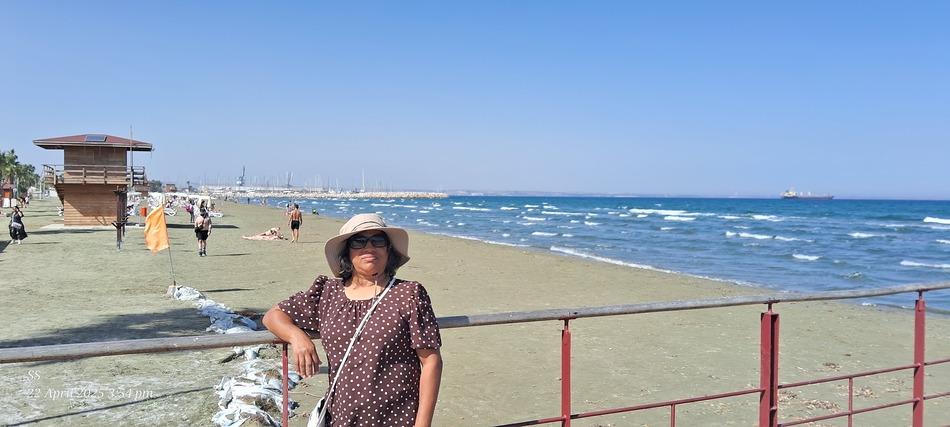
The coastal town of Larnaca. Its Finikoudes Beach is one of the town’s main beaches and is set right near a picturesque seafront promenade.
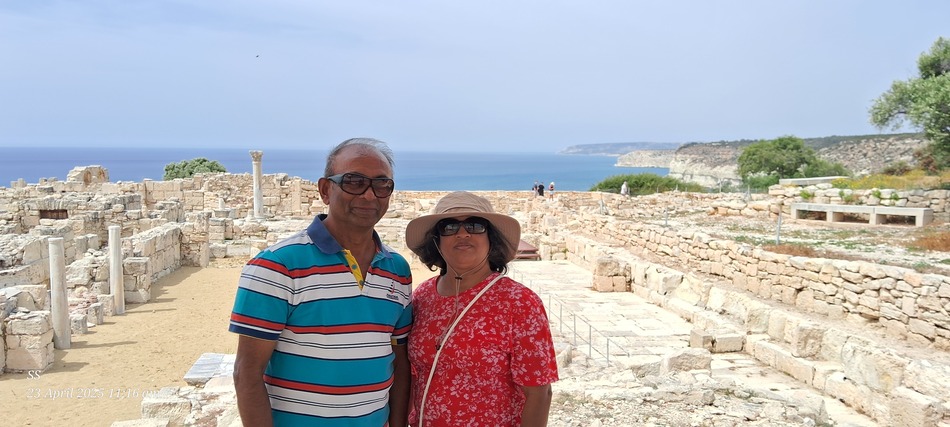
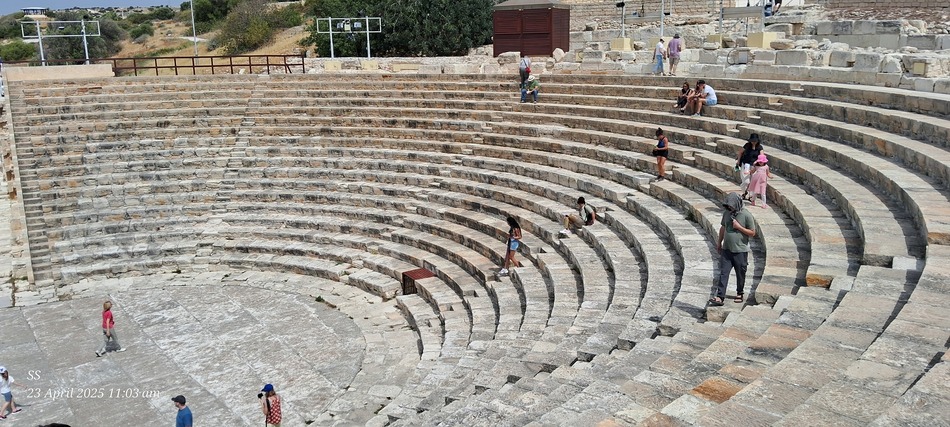
Kourion archaelogical site is an ancient City state. Excavations in Kourion are still ongoing. The area of Kourion has been inhabited since neolithic times, making it at least 4000 years old
Roman Theatre of ancient Kurion. Present day the Kurion theatre was remodeled and used as one of the venues for the International Festival of Ancient Greek Drama.
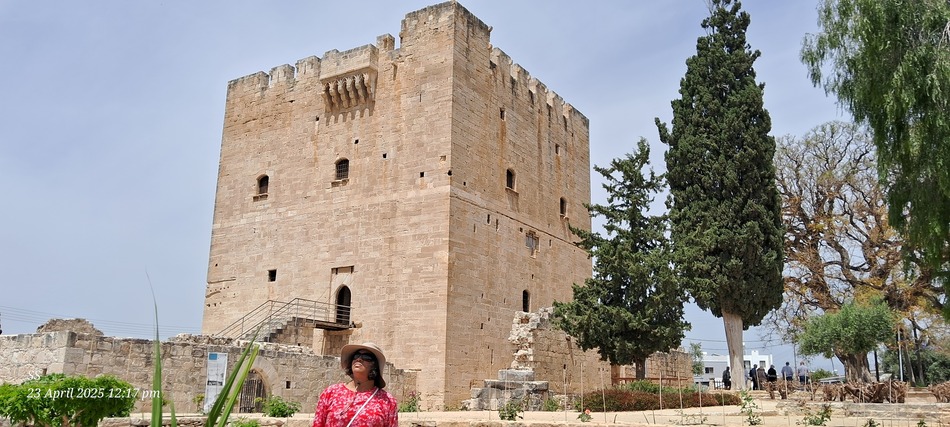
South-east view of Kolossi Castle. once known as a defensive fortification in the Crusader's era in Cyprus. It held great strategic importance in the Middle Ages.
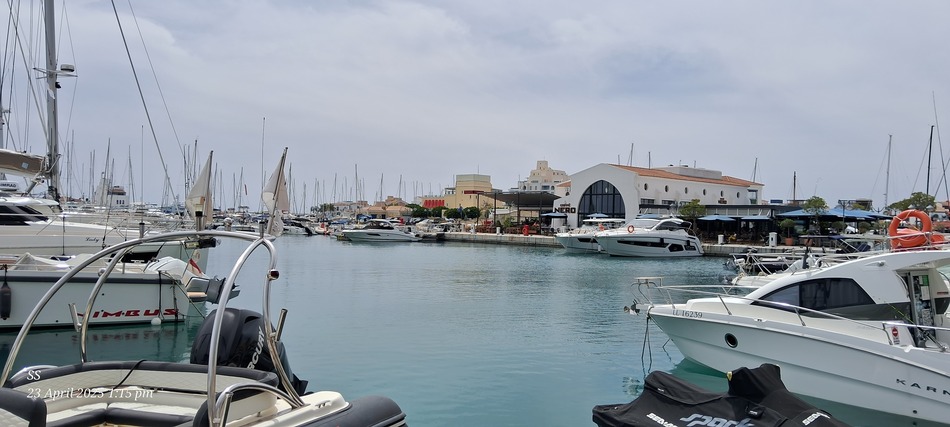
Limassol Marina is considered to be amongst the most significant and expensive marinas in the wider mediterranean area and the middle east. It has been termed as the "Monte Carlo" of Cyprus.
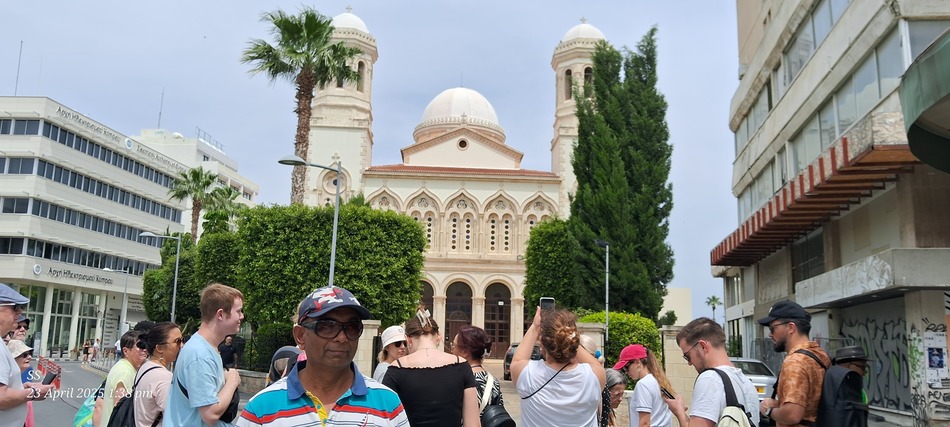
Ayia Napa Cathedral stands as an architectural marvel, reflecting the Byzantine influence prevalent in Cyprus during the medieval era.
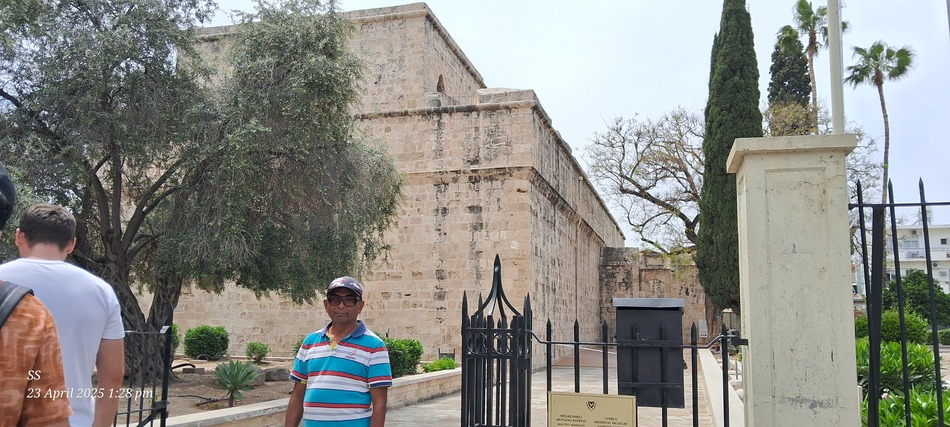
The medieval Limassol Castle is a structure rebuilt circa 1590 under the period of Ottoman rule. Limassol castle is a great architectural monument of Middle Ages, where Richard the Lionheart got married.
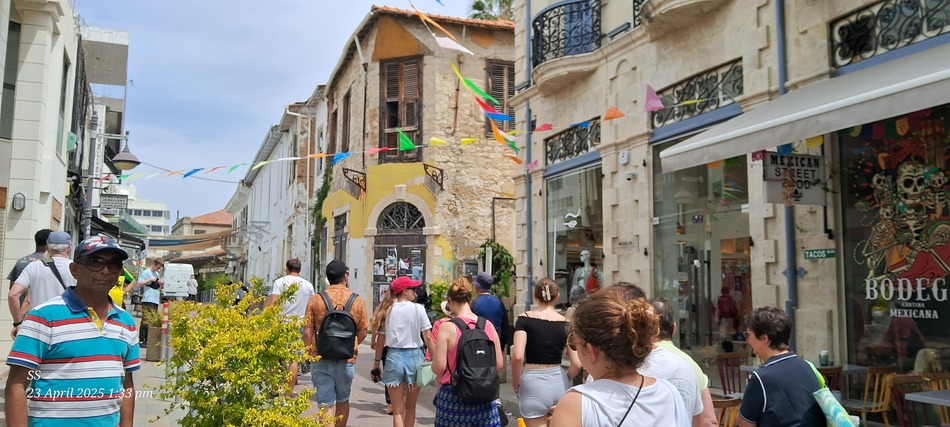
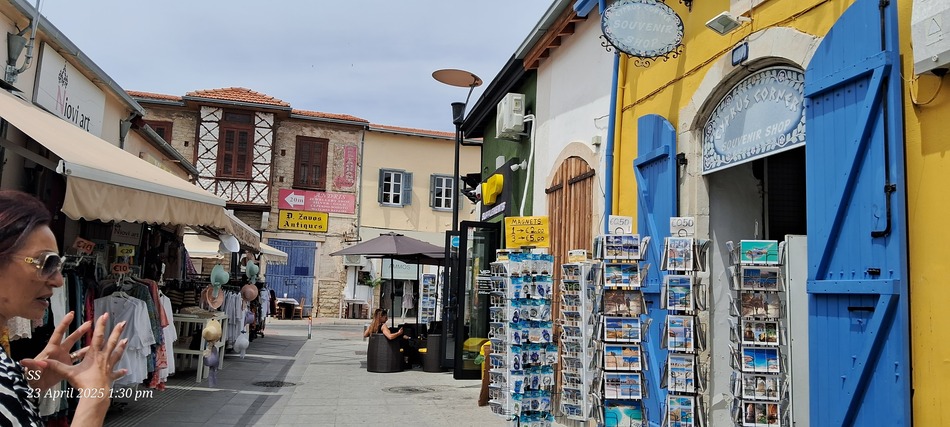
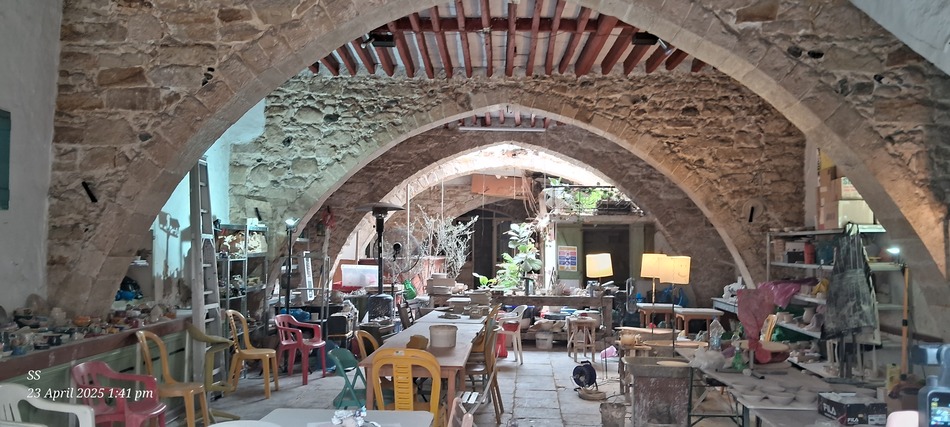
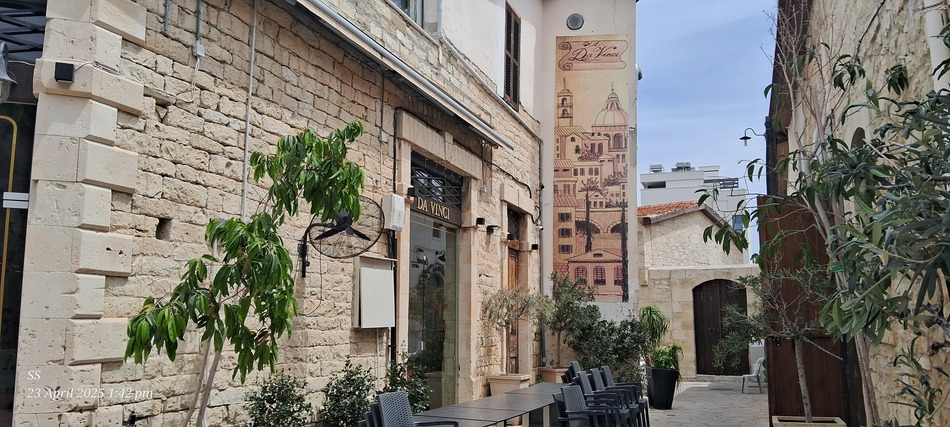
The old town of Limassol is narrow streets, lined with historic buildings with cafes and restaurants,small shops and souvenir shops as well as churches and squares.
Streets of the old city of Limassol. Blue shutters on the colonial architecture of Cyprus.
The old houses in the old town of Limassol.
Streets of the old city of Limassol.
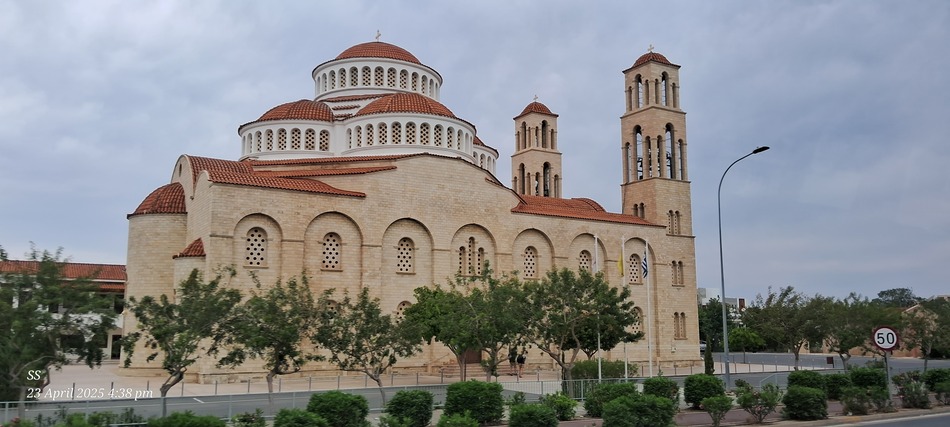
Agioi Anargyroi Church, Paphos |